Google Ads vs Meta Ads: Where Should Your Budget Go?
Introduction
One of the most common questions we get from clients is whether they should invest in Google Ads or Meta Ads. The honest answer is that it depends on your business, your audience, and your goals. Both platforms are powerful, but they work in fundamentally different ways. In this post, we break down the strengths of each so you can make an informed decision about where your budget will have the most impact.
Understanding the Difference
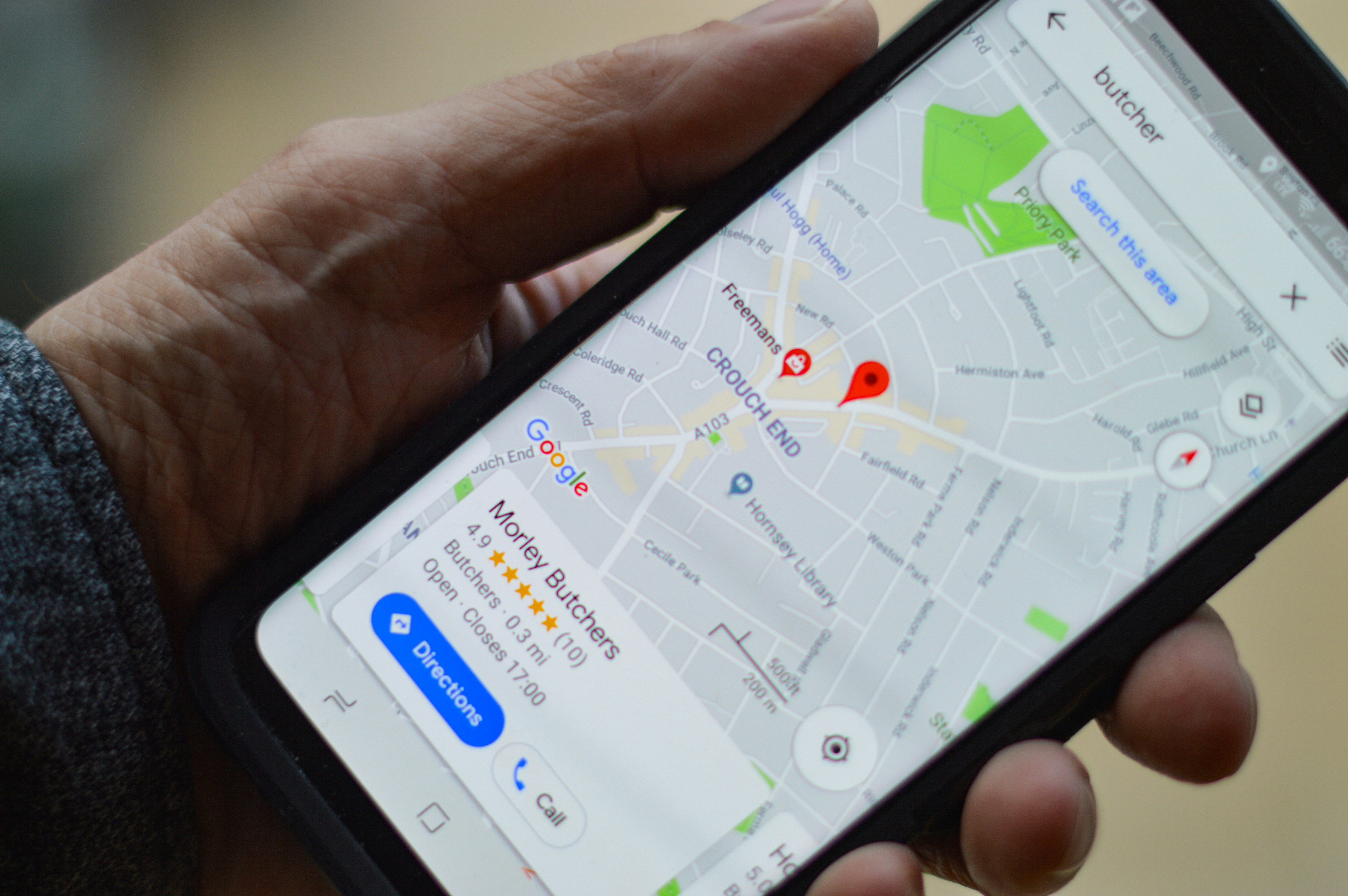
Google Ads captures demand that already exists. Someone searches for your service, and your ad appears. Meta Ads, on the other hand, creates demand by putting your brand in front of people who match your ideal customer profile but may not be actively searching. One catches intent, the other builds awareness.
- Understand the trends shaping paid advertising and how they impact your strategy
- Explore Real-World Impacts of Emerging Trends on Your Advertising Campaigns and ROI
- Apply What Works: Proven Strategies to Boost Your Paid Advertising Success Today
Smarter Ads with AI
AI tools help advertisers optimize in real time by analyzing user behavior, improving ad targeting, and the delivering better results without constant manual effort.
The Power of Short Videos
Short-form video content is gaining attention due to its engaging nature and high ROI. Including it in your in ad strategy is no longer optional—it's essential.
Privacy-First Advertising
As privacy laws tighten, marketers must rely on ethically collected first-party data and transparent for the practices to maintain consumer trust and personalization.
"I didn’t realize how much impact a small marketing gap could have. After working with Merkli, they uncovered key opportunities and fixed our strategy before it affected our growth. Their team was professional, responsive, and results-driven every step of the way. Highly recommend their expertise!"
Final Thoughts
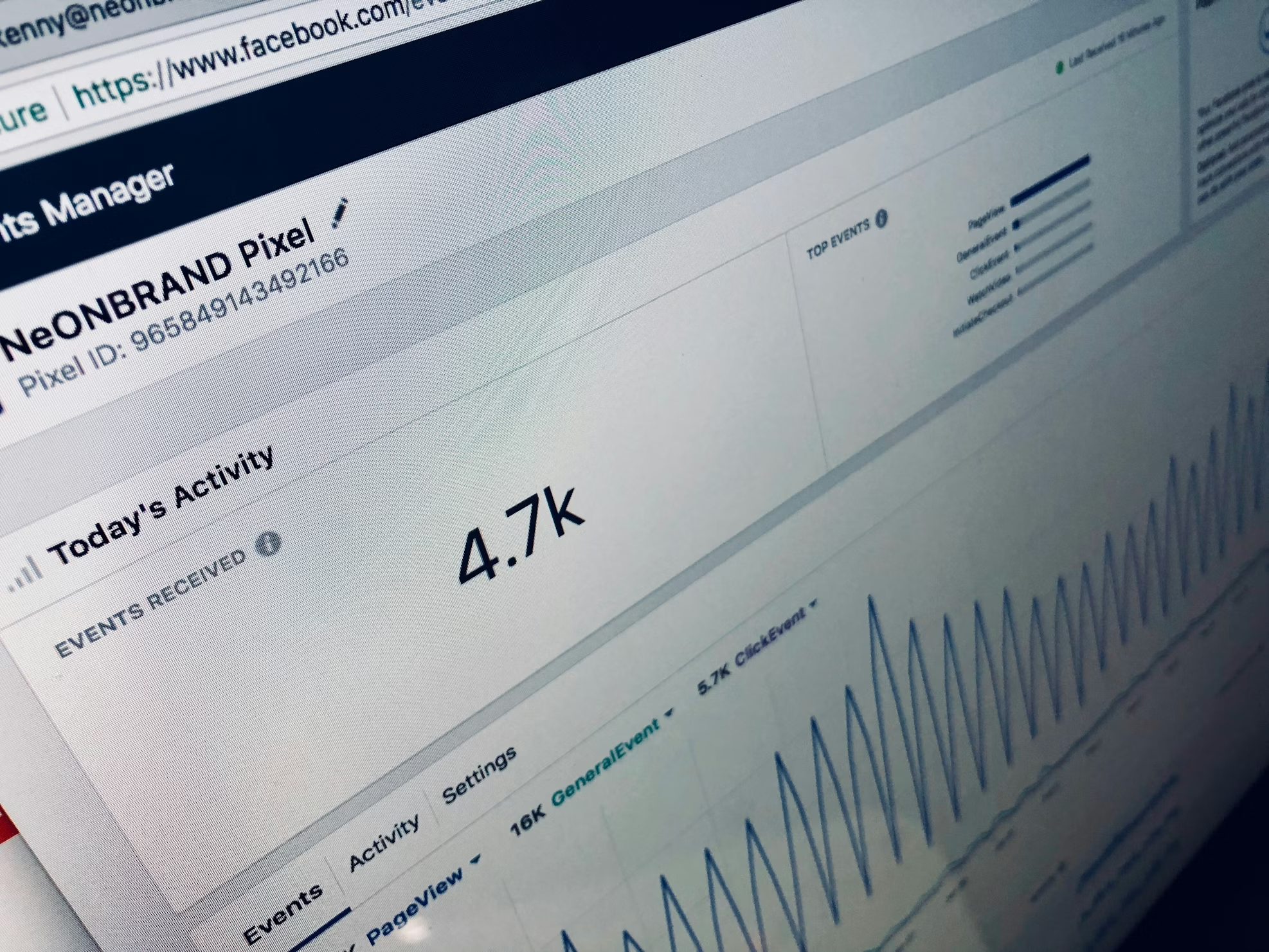
There is no single right answer to the Google vs Meta question. The best approach depends on your business model, your audience, and your budget. What matters most is that your campaigns are structured for measurable ROI, not vanity metrics. Test both, measure everything, and double down on what works.
Smarter Ads with AI
AI tools help advertisers optimize in real time by analyzing user behavior, improving ad targeting, and the delivering better results without constant manual effort.
The Power of Short Videos
Short-form video content is gaining attention due to its engaging nature and high ROI. Including it in your in ad strategy is no longer optional—it's essential.
Privacy-First Advertising
As privacy laws tighten, marketers must rely on ethically collected first-party data and transparent for the practices to maintain consumer trust and personalization.
"I didn’t realize how much impact a small marketing gap could have. After working with Merkli, they uncovered key opportunities and fixed our strategy before it affected our growth. Their team was professional, responsive, and results-driven every step of the way. Highly recommend their expertise!"
Final Thoughts
There is no single right answer to the Google vs Meta question. The best approach depends on your business model, your audience, and your budget. What matters most is that your campaigns are structured for measurable ROI, not vanity metrics. Test both, measure everything, and double down on what works.
Explore more blogs